
Why
Purple Bacteria
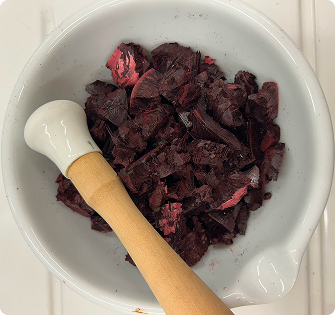
Purple bacteria have been studied for decades as model organisms in fundamental biology. Their unique metabolism, photosynthetic machinery, and energy conversion pathways have helped scientists better understand how living systems capture, transform, and use energy at the cellular level.
Today, this deep scientific knowledge is moving beyond the laboratory. By harnessing their naturally rich composition, including proteins, antioxidants, and functional lipids purple bacteria are emerging as a new generation of functional nutrition. What was once a subject of fundamental research is now becoming a practical, scalable way to support everyday health.
Antioxidant Systems Derived from Photosynthetic Metabolism
Purple bacteria possess a highly specialized photosynthetic apparatus built around light-driven electron transfer and membrane-associated energy conversion. These processes require robust molecular systems that protect cellular structures under fluctuating environmental conditions, including exposure to light and oxygen.
To maintain cellular stability, purple bacteria synthesize protective molecules such as bacterial carotenoids and coenzyme Q10. Carotenoids are embedded within cellular membranes, where they help stabilize lipid structures and dissipate excess energy generated during photosynthetic activity. Coenzyme Q10 functions as a redox-active molecule involved in electron transport and contributes to maintaining membrane integrity within bioenergetic systems.
Rather than responding to constant oxidative metabolism, these compounds reflect an evolved cellular strategy to preserve structural and energetic efficiency in dynamic environments.
In human physiology, oxidative stress influences cellular aging, metabolic balance, and energy production. Coenzyme Q10 is an essential component of mitochondrial electron transport and supports ATP synthesis in metabolically active tissues. Lipid-associated antioxidants such as carotenoids contribute to protecting cellular membranes from oxidative damage. Together, these compounds are associated with maintaining cellular energy metabolism, membrane stability, and physiological resilience.
Explore our research
Bioenergetic Cofactors and Electron Transport Molecules
Purple bacteria are widely studied for their capacity to transform energy through coordinated electron transport processes.
Their metabolism relies on cofactors that shuttle electrons, regulate redox balance, and sustain ATP generation.
Coenzyme Q10 is a central component of electron transport chains, facilitating energy transfer within biological membranes. Additional redox-active compounds contribute to maintaining intracellular balance between oxidation and reduction reactions.
Human cellular energy production depends on mitochondrial electron transport processes similar in principle to those observed in microbial systems. Coenzyme Q10 is essential for ATP synthesis and plays a role in maintaining cellular energy availability, particularly in metabolically active tissues. Redox-active molecules contribute to maintaining cellular balance and supporting metabolic efficiency.
Functional Lipids and Membrane Architecture
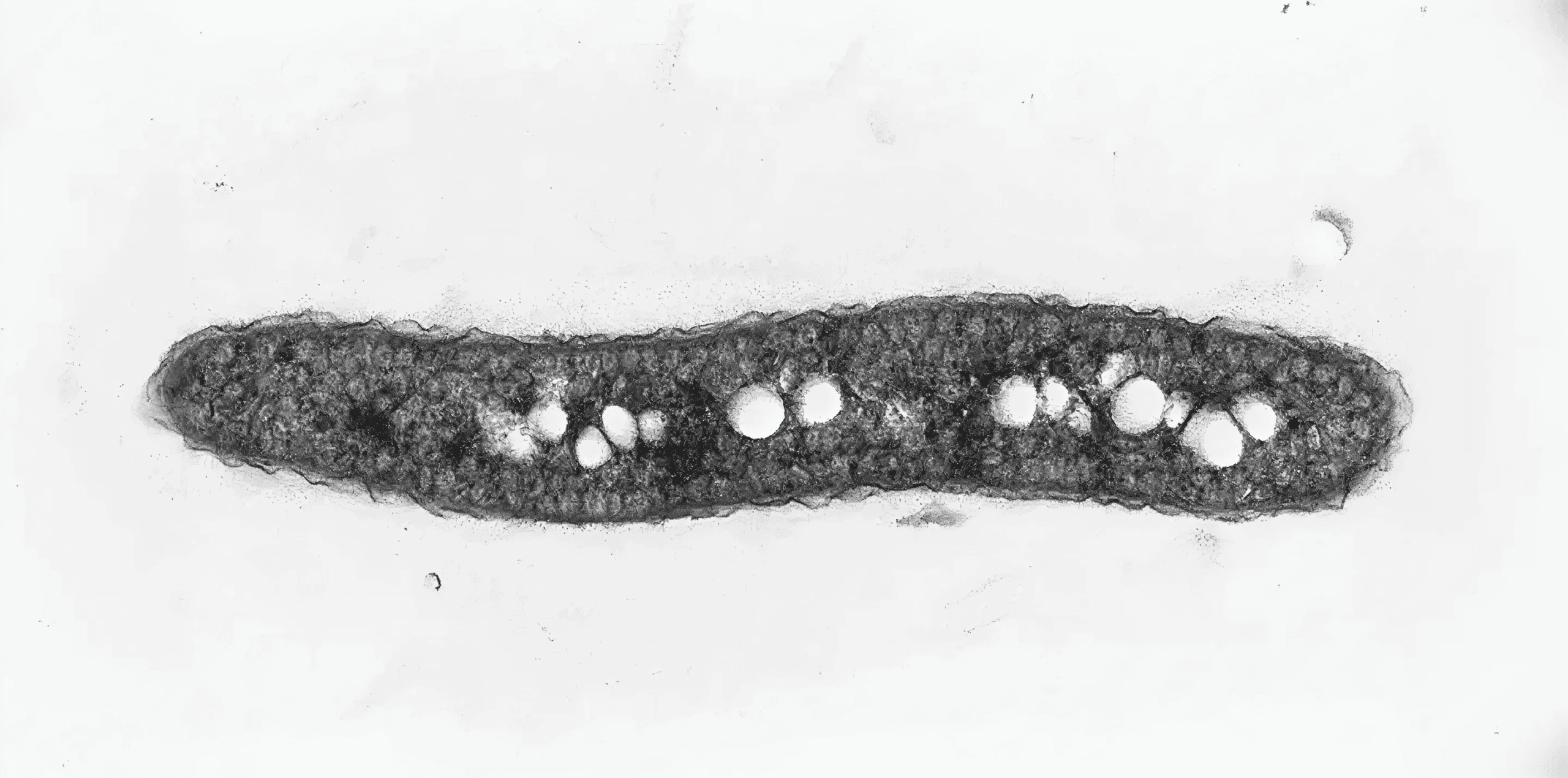
The cellular membranes of purple bacteria are highly specialized structures adapted for energy capture and conversion. These membranes contain phospholipids enriched with monounsaturated fatty acids that contribute to membrane fluidity and structural stability.
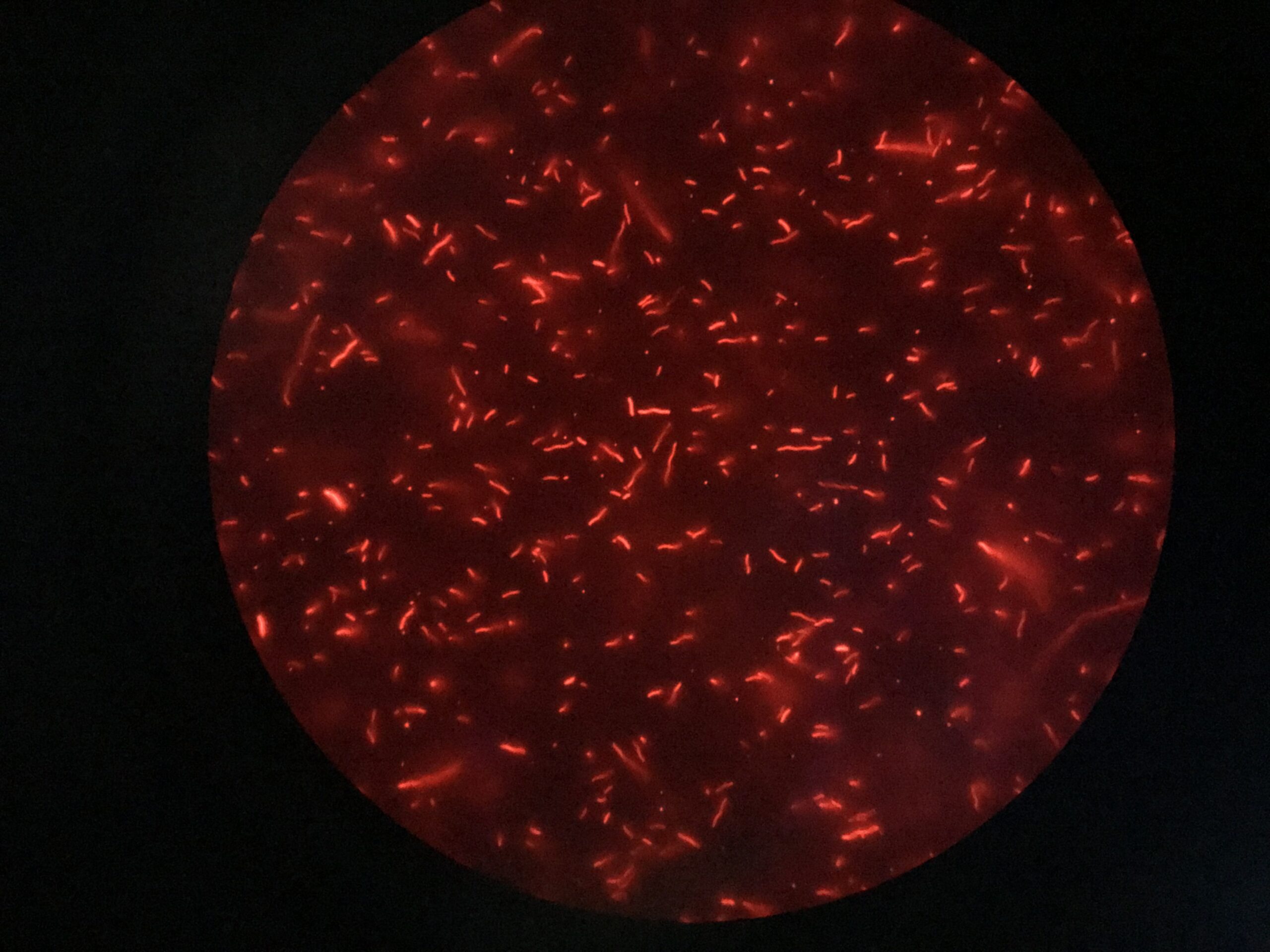
Membrane fluidity is a key determinant of cellular function, influencing transport processes, enzymatic activity, and the organization of energy-generating complexes. Monounsaturated fatty acids help maintain optimal membrane flexibility and metabolic efficiency.
In human physiology, monounsaturated fatty acids are integral components of cell membranes and influence lipid metabolism and membrane signalling processes. They are associated with maintaining healthy lipid balance and supporting cardiovascular function. By contributing to membrane fluidity and metabolic regulation, these lipids participate in essential processes linked to cellular communication and energy use.
Protein-Rich Biomass Supporting Core Cellular Functions
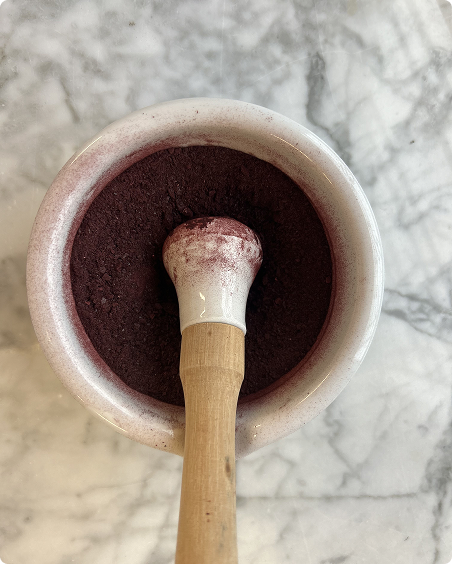
Protein constitutes a major structural and functional component of purple bacterial biomass, reflecting the cellular machinery required for metabolism, membrane organization, and enzymatic regulation.
This results in a dense source of amino acids that mirror those required for structural maintenance and biochemical activity in living systems.
Proteins are central to catalytic reactions, transport mechanisms, and regulatory processes. The high protein density observed in purple bacterial biomass reflects an organism optimized for efficient growth and energy utilization.
In humans, dietary proteins provide essential amino acids required for tissue maintenance, enzyme synthesis, immune function, and metabolic regulation. Adequate protein intake supports muscle integrity, cellular repair processes, and overall physiological function. A balanced amino acid profile contributes to maintaining structural and metabolic homeostasis across organ systems.
A Structurally Integrated Biological Matrix
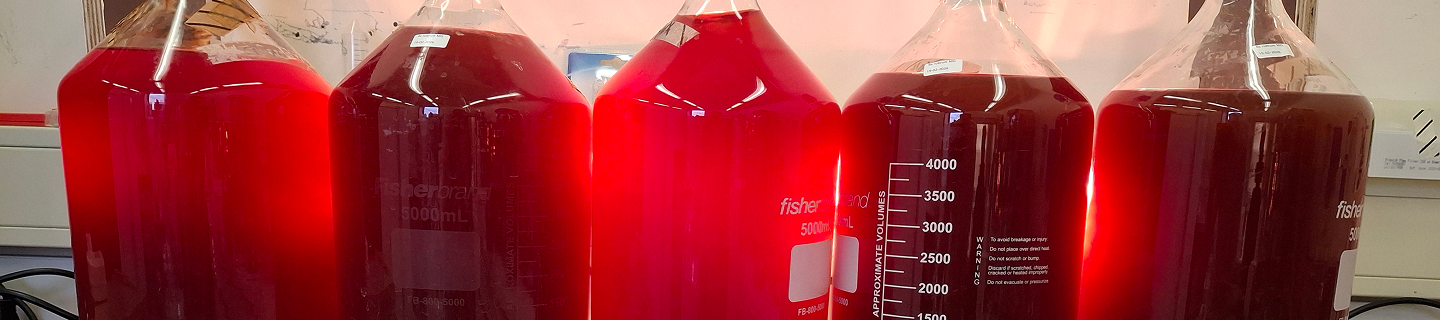
In purple bacteria, proteins, lipids, antioxidants, and cofactors function within an organized cellular architecture. Biological membranes, protein complexes, and metabolic pathways operate as interconnected systems that stabilize and regulate one another.
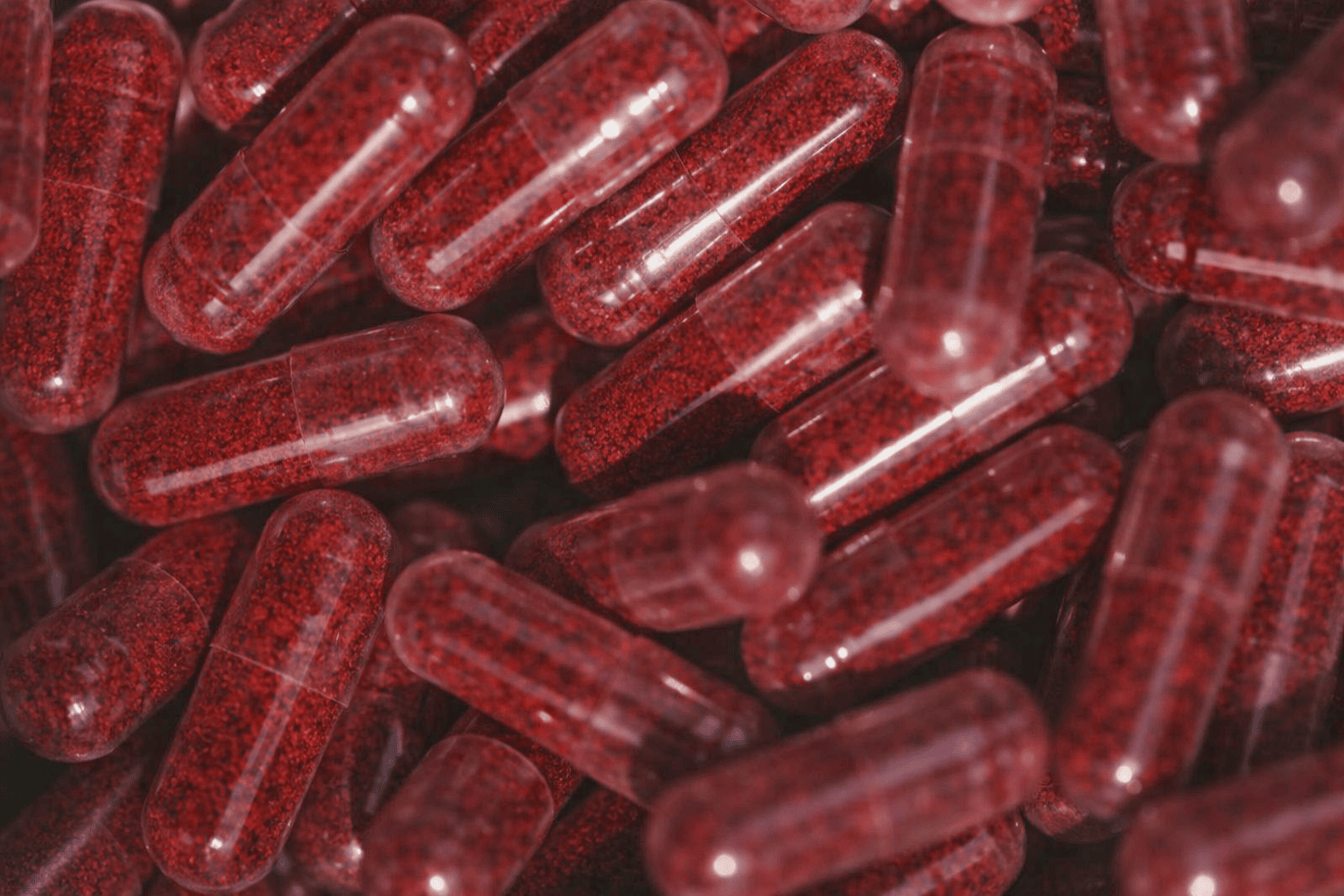
Within the biomass, nutrients remain embedded in this native biological framework, preserving molecular associations shaped by cellular physiology.
Nutrients delivered within a structured biological matrix can interact in ways that support stability and functional integration during digestion and metabolism. From a physiological perspective, the combination of proteins, lipids, and bioactive compounds contributes to multiple interconnected cellular processes rather than targeting a single pathway. This systems-level composition aligns with the complex, integrated nature of human metabolism.
Let’s Advance Metabolic Innovation Together
Whether you are a laboratory, research partner, or prescriber interested in metabolic science, we welcome scientific dialogue and collaboration opportunities.
Contact us